

The Snatched Lift™: Deep Plane Facelift Surgery in London
For patients who want comprehensive, long-lasting rejuvenation across the full face and neck. Professor Ali Ghanem performs the deep plane facelift with anatomical precision that preserves expression and restores the face you recognise.
Schedule a Consultation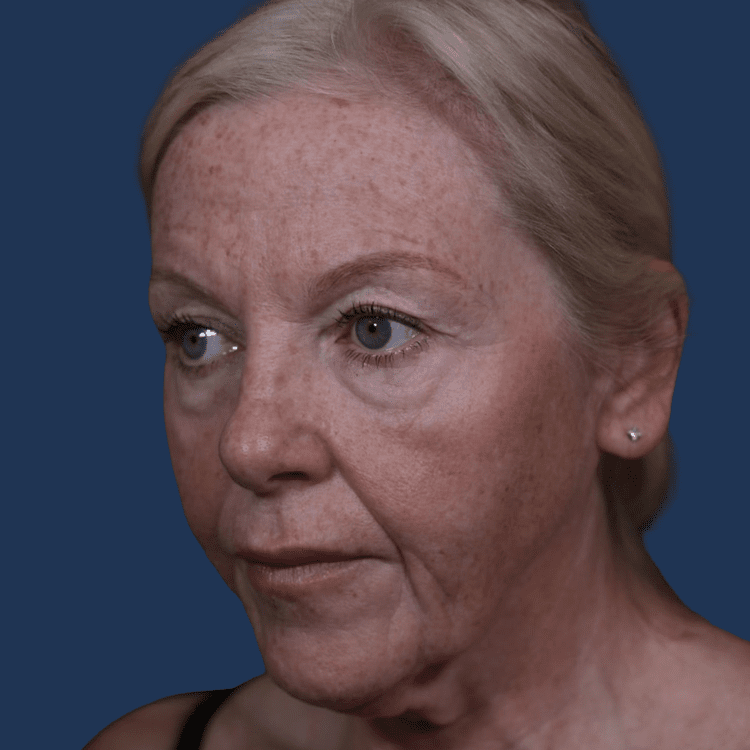
The Snatched Lift™ at the Deep Plane Level
If you are researching a deep plane facelift in London, here is what you need to know.
The deep plane is the layer of the face that actually descends with age. Most facelift techniques do not reach it. The Snatched Lift™ at Tiers 3 and 4 does, operating beneath the SMAS to release the facial retaining ligaments and reposition deep tissues as a single composite unit.
The result is a face that moves naturally, ages gracefully, and looks like you, restored to the version you remember.
Professor Ali Ghanem is one of a small number of UK surgeons performing a true deep plane facelift. UK's only Professor of Facial Aesthetics. Fellow of the Royal College of Surgeons.
You may have arrived here searching for a deep plane facelift, composite facelift, or SMAS facelift in London. The Snatched Lift™ at Tier 3 and Tier 4 is the procedure you are looking for, available exclusively at The Ghanem Clinic.
Two Deep Plane Tiers of the Snatched Lift™
Both deep plane tiers include endoscopic upper and midface correction. The difference is how comprehensively the lower face and neck are addressed.
| Tier 3 | Tier 4 | |
|---|---|---|
| Best for | 50s, moderate to advanced ageing | Late 50s to 60s, full reset |
| Technique | Endoscopic upper/midface + deep plane lower (no anterior) | Endoscopic upper/midface + deep plane full face & neck |
| Anaesthetic | General | General |
| Procedure time | 4–5 hours | 5–6 hours |
| Social downtime | 2–3 weeks | 3 weeks |
| Full recovery | 6–8 weeks | 8 weeks |
| Results last | 8–10 years | 8–10 years |
Tier 3: Deep Plane Without Anterior Approach
Tier 3 combines endoscopic upper and midface correction with a deep plane lower facelift, releasing the ligamentous structures of the cheek, repositioning descended tissues, and restoring jawline definition, without the anterior neck approach. Best suited to patients in their 50s with moderate to advanced facial ageing, prominent jowls, midface descent and loss of jawline definition.
What it addresses:
- Midface descent and cheek sagging
- Prominent nasolabial folds
- Jowl formation and jawline softening
- Temple and lateral brow descent (via endoscopic upper face)
- Volume redistribution through the mid and lower face
Tier 4: Full Deep Plane Face & Neck with Anterior Approach
The most comprehensive tier. Tier 4 addresses the full face from the upper face and temples down through the lower face, jowls and anterior neck using a deep plane composite technique throughout. Best suited to patients in their late 50s and 60s seeking a full structural reset.
What it addresses:
- Everything in Tier 3, plus:
- Anterior neck banding and laxity
- Submental fullness and central neck definition
- Platysmal banding
- Submandibular gland management where needed
Your Deep Plane Facelift Journey
Initial Consultation
A private, no-obligation consultation at our Wimpole Street clinic. Professor Ghanem reviews your medical history, examines your facial anatomy in detail, and discusses your goals openly, telling you honestly which tier is right for you.
Surgical Planning
Once suitability is confirmed, a bespoke surgical plan is developed. This includes detailed photography, anatomical mapping, and discussion of any complementary procedures.
Pre-Op Preparation
Pre-operative health checks, blood tests and skin preparation in the weeks before surgery. A pre-admission appointment confirms final details.
Surgery
Performed under general anaesthesia, typically 4 to 6 hours depending on tier. Incisions are placed within the hairline and around the natural contours of the ear. Deep tissue is released and repositioned as a composite unit.
Recovery and Follow-Up
Most patients stay overnight. Bruising and swelling typically settle over 2 to 3 weeks. Follow-up appointments are included as part of our complimentary aftercare programme.
What Separates the Deep Plane from Every Other Facelift
Few surgeons in the UK do this
A true deep plane facelift requires specific training in facial anatomy. Professor Ghanem is one of a very small number of UK surgeons qualified to perform it.
Results that last 8 to 10 years
The structural cause of facial ageing is addressed, not just the surface appearance, so the result holds its integrity well beyond skin-only techniques.
Natural expression preserved
The Snatched Lift™ repositions tissue rather than pulling skin. Your face moves, looks and feels like your own.
Complete discretion
The Ghanem Clinic's Wimpole Street location and commitment to patient confidentiality mean your journey stays yours.
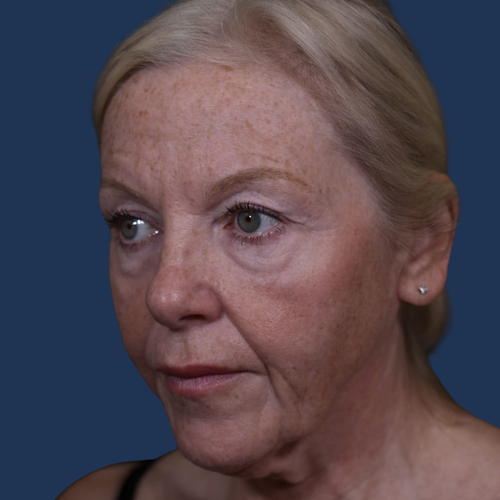
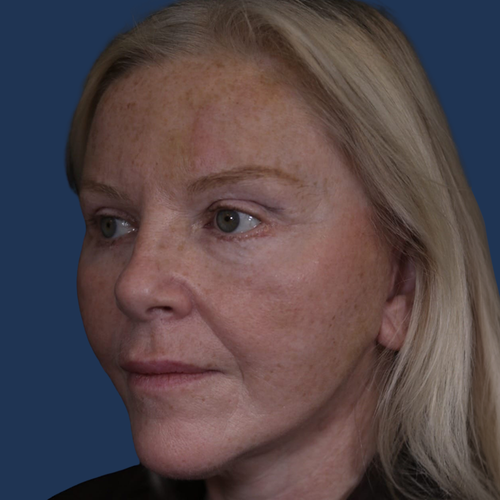
Deep Plane Facelift Results
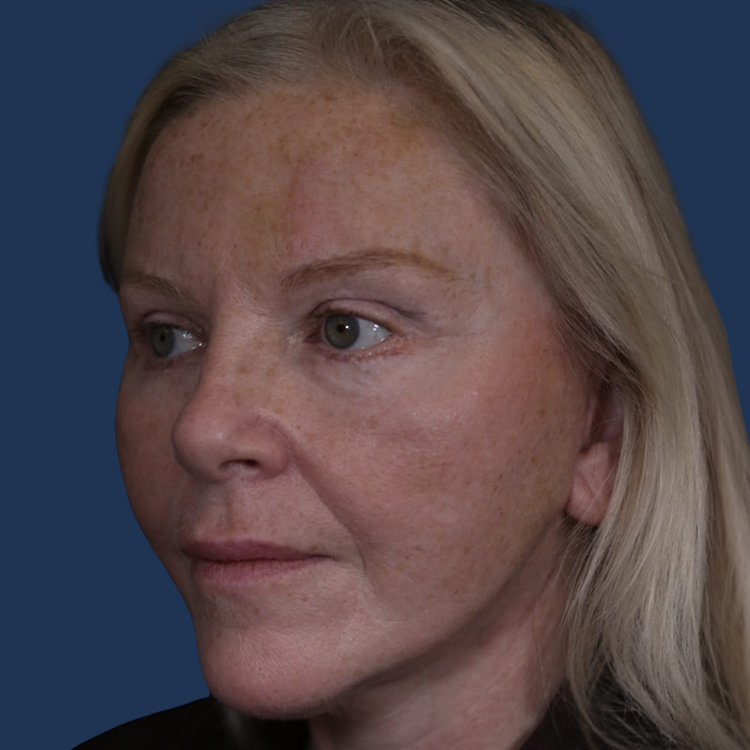
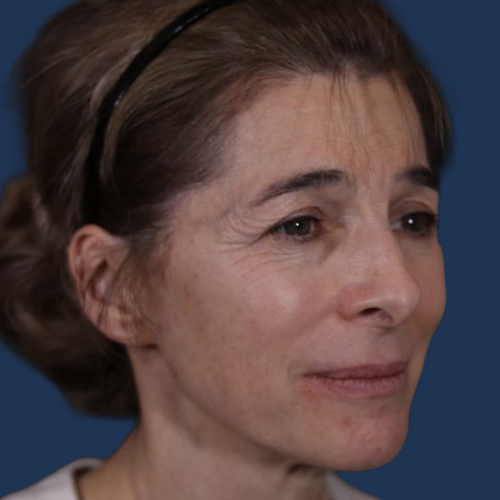
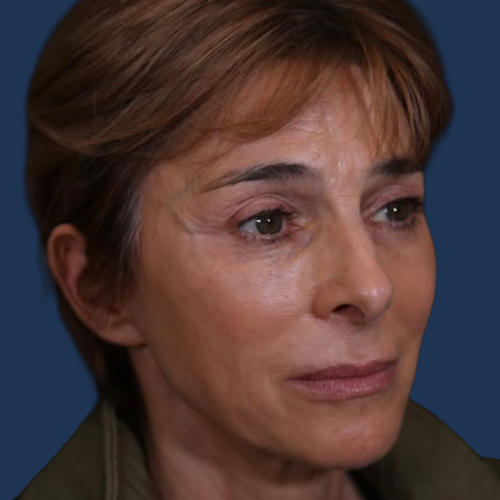
Real patients, real results. Drag the slider to compare before and after.
What to Expect from a Deep Plane Facelift
Most patients tell us the unknown is the hardest part of considering surgery. The timeline below covers what actually happens before, during and after a deep plane facelift at our Wimpole Street clinic.
Preparation and Planning
Before surgery you attend preparatory appointments including medical screening, photography and a final pre-operative review. We provide tailored guidance on skincare, nutrition and rest.
The Day of Surgery
You are welcomed into our private surgical suite. Once comfortably under general anaesthesia, Professor Ghanem performs the deep plane lift with meticulous precision. Most patients remain in our care overnight.
Healing and Refinement
Most patients are walking comfortably the same day and return to light activity within seven to ten days. Bruising, swelling and tightness are normal in the first week and improve steadily.

Professor Ali Ghanem
Professor Ali Ghanem is the UK's only Professor of Aesthetic Medicine and a Fellow of the Royal College of Surgeons. He leads every deep plane facelift personally. Your consultation is with him, your surgery is performed by him, and your recovery is overseen by him and his team.
GMC No. 5200491 · Specialist Register since 2018
The Total Face Refresh
Many patients combine their deep plane Snatched Lift™ with regenerative additions. Enriched fat transfer restores volume. Fully ablative laser resurfacing refines skin quality. Upper and lower blepharoplasty addresses the peri-orbital area. Together, these form Professor Ghanem's Total Face Refresh. Every plan is tailored at consultation.
Frequently Asked Questions
What is a deep plane facelift?
How is the Snatched Lift™ different from a standard deep plane facelift?
Am I a good candidate?
How long do the results last?
Is the recovery very long?
What is the difference between Tier 3 and Tier 4?
How much does a deep plane facelift cost in London?
Explore More


Begin Your Bespoke Consultation
A private, no-obligation consultation with Professor Ghanem is the first step toward your bespoke deep plane facelift plan.
Schedule a Consultation